
## Start with what “one click” actually sounds like
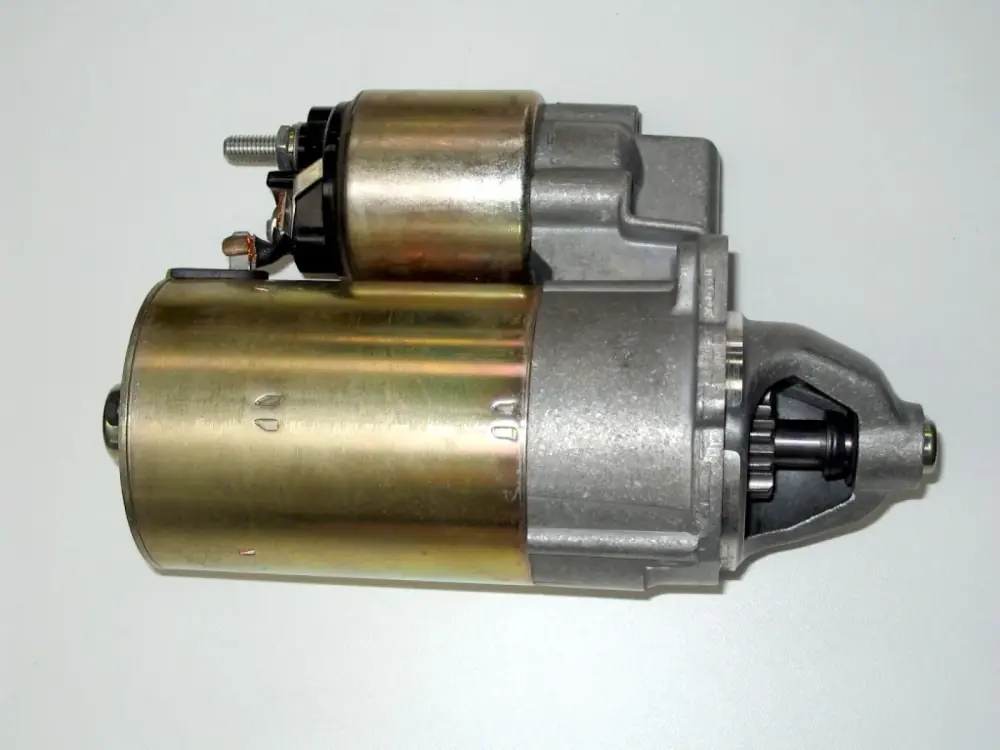
When you turn the key or press the start button and hear one solid click, the starting system is trying to do something but the engine is not rotating normally. The click may be the starter solenoid moving, a relay operating, or another electrical component responding. The sound by itself does not prove that the starter is bad. A weak battery can still illuminate the dashboard and operate accessories while failing under the much heavier load required to crank the engine. Loose, corroded, or damaged battery cables can create the same result.
Pay attention to where the click seems to come from and what the lights do at the same moment. A heavier click from the engine area with sharply dimming lights points in a different direction than a small relay click under the dashboard with lights that stay bright. Do not repeatedly hold the key in the start position; repeated attempts can heat cables and starting components without solving the cause.
## Safe checks you can make before requesting service
Confirm that the transmission is fully in Park. If it is safe to do so, hold the brake and try Neutral once; a vehicle that cranks in Neutral but not Park may have a range-switch or shifter-position concern. Look at the battery terminals without touching damaged wiring. Heavy white or green corrosion, a terminal that visibly moves, a swollen battery case, heat, smoke, or a burnt smell should be reported and left alone.
Notice whether the interior lights, headlights, and dashboard appear normal. If a jump start is attempted, follow the vehicle manufacturer’s procedure because connection points and hybrid systems vary. Stop if cables become hot, spark abnormally, or the battery is cracked, leaking, frozen, or swollen. A successful jump is useful information, but it does not automatically mean the battery alone caused the problem; a charging fault or poor connection may have discharged it.
## Common possibilities a technician separates with testing
Battery state of charge and battery condition are checked first because voltage at rest is not the whole story. The system must also be observed under load. Cable and terminal voltage-drop testing shows whether resistance is preventing current from reaching the starter. The control side of the circuit—including fuses, relays, the ignition or start command, safety switches, and wiring—may need to be checked before a starter is condemned.
If correct voltage and control are reaching the starter but it does not turn, the starter or solenoid becomes more likely. Less commonly, an engine or accessory can be mechanically difficult to rotate. That is why a responsible diagnosis follows the circuit instead of replacing the most familiar part.
## When not to keep trying
Stop attempting to start the vehicle if you smell fuel or burning insulation, see smoke, find hot or damaged cables, hear harsh grinding, or notice the engine or battery behaving abnormally. If the vehicle is in traffic or another unsafe location, prioritize personal safety and appropriate roadside help.
## What to tell Pete
Include the year, make, model, town or ZIP code, whether the click is single or repeated, whether the lights dim, and whether a jump changed anything. Mention recent battery replacement, cold weather, long periods parked, intermittent starting, or work performed just before the symptom began. A short video that captures the sound can be more helpful than a photo. AutoTechPete can test the starting and charging system at a suitable location and explain what the measurements support before parts are recommended.
This guide provides general information, not a remote diagnosis. Vehicle designs differ, and Pete confirms the cause after inspecting and testing the specific vehicle.